
If you told me this time last year I would have completed my first pitching course with prolific writer and mentor Susan Shapiro and publish about one of the worst experiences of my life not once, not twice, not even three but four times for The Washington Post, I would have asked you to please not pinch me, because that’s a very nice dream.
As a journalist, there are certain bylines that make you feel like you’ve made it. The Washington Post is one of the best publications in the world. It’s top tier. It’s real journalism.
Their tagline is: Democracy Dies in Darkness.
I LOVE IT.

Earlier this year, I pitched a reported first-person essay about losing hearing suddenly in my right ear at 32.
When the editors accepted my pitch, I was ecstatic. I screamed, jumped, danced and called my boyfriend and mom. And then, when it actually came time to submit my draft, I was terrified: what if they hated it?
But they didn’t. The editors were extremely kind. A few days after my first article for The Washington Post was published (still don’t pinch me) in June 2026, I pitched three more article ideas.
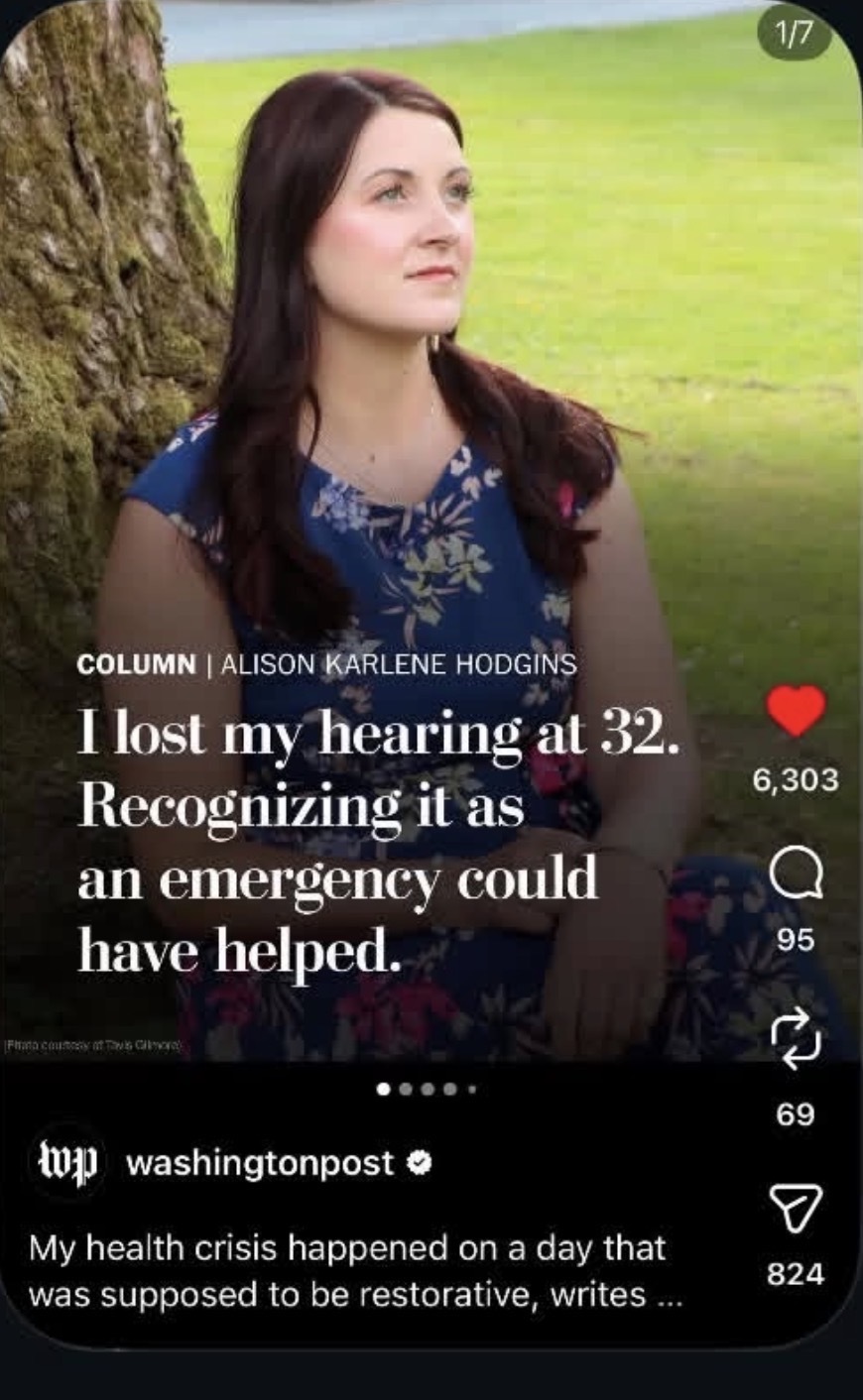
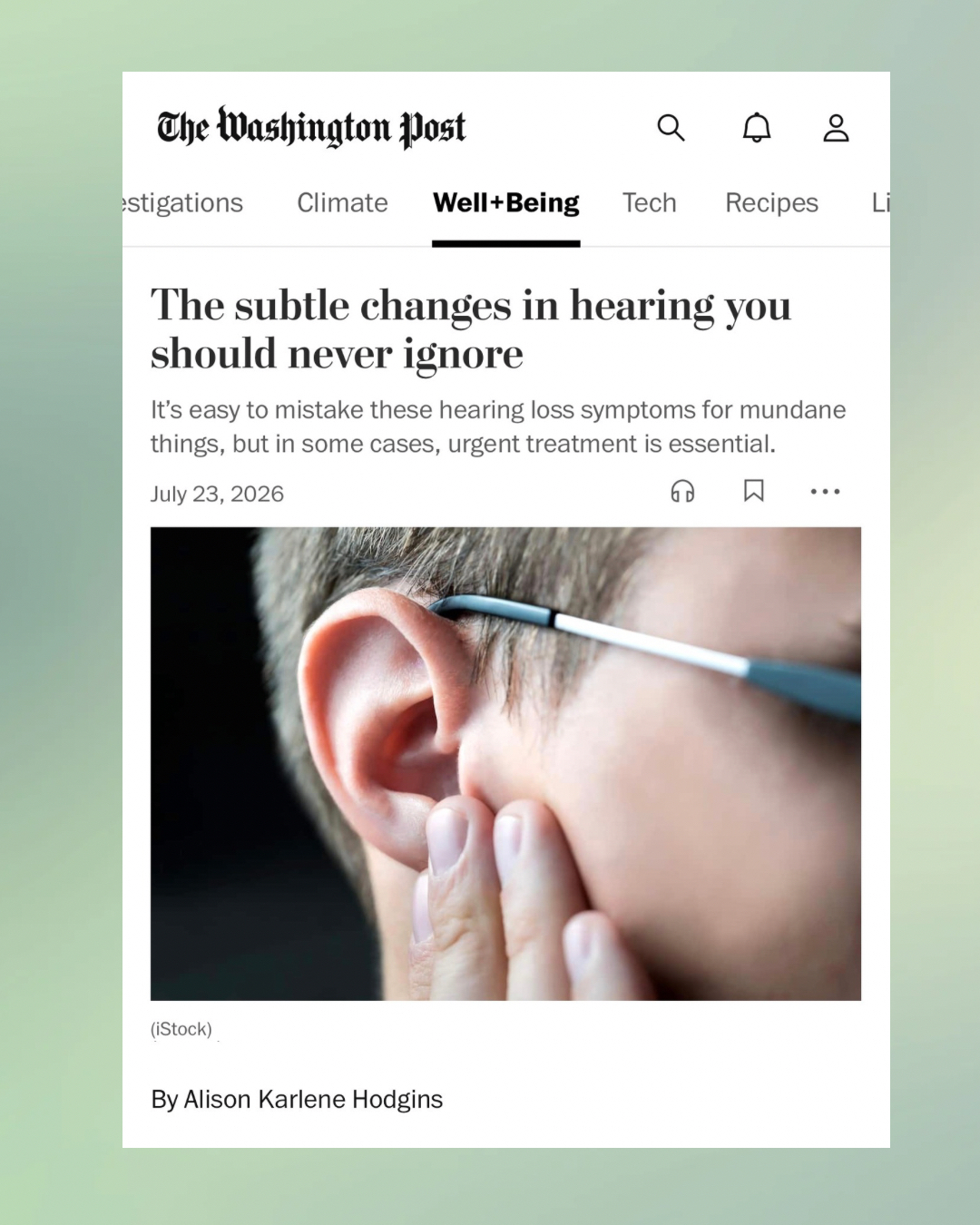
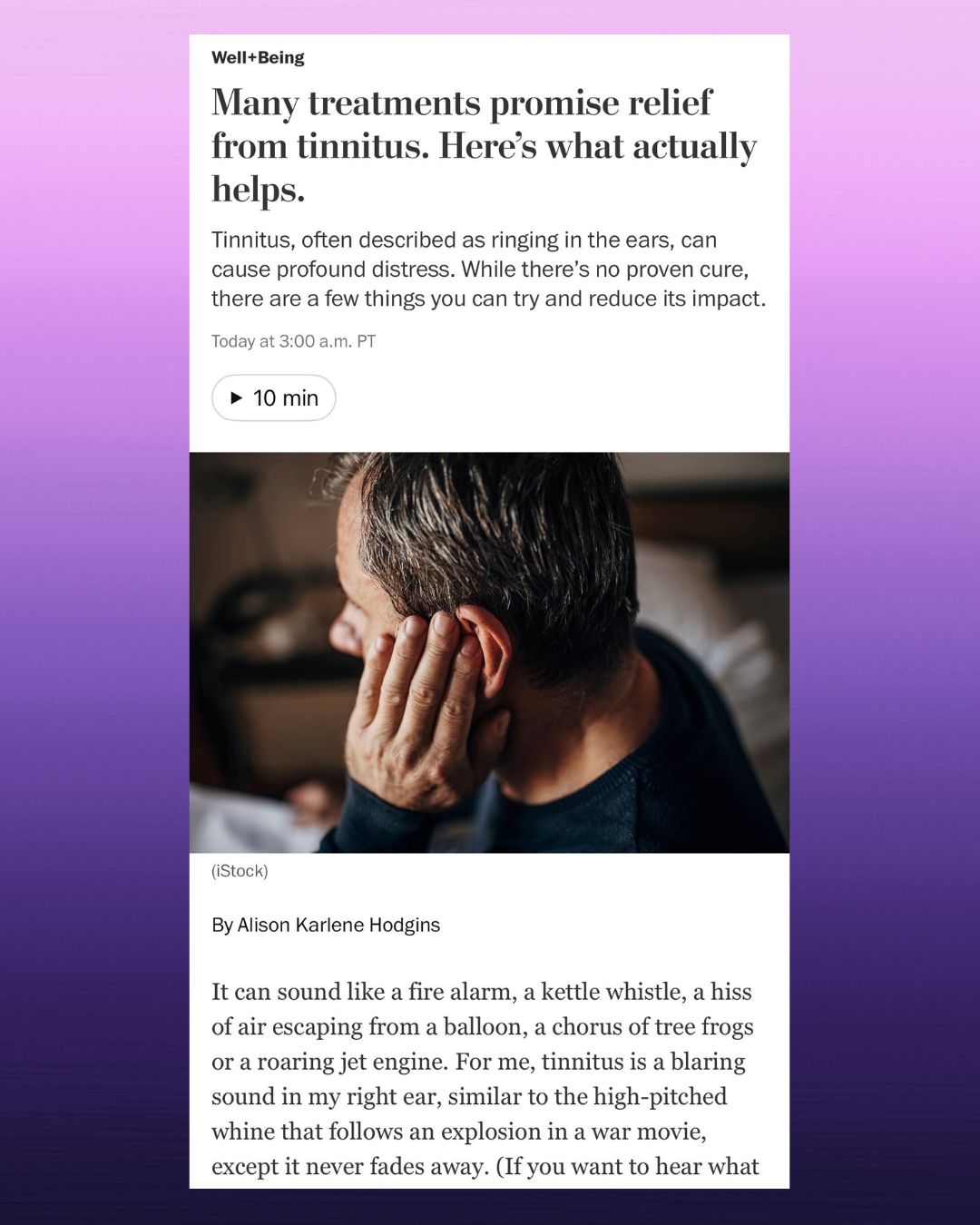
Over the next month, I wrote three deeply reported service pieces about hearing health, including the subtle signs of hearing loss people shouldn’t ignore and what actually helps reduce tinnitus distress.
I loved working on these articles. I felt fulfilled and inspired. I spoke to compassionate researchers, knowledgeable medical professionals and experts who thanked me for bringing more awareness to these (sometimes debilitating) hearing health issues. I learned so much more beyond my experiences. I wrote passionately, aiming to intertwine both my personal story and interviews in digestible, easy to understand, clear articles.
These articles gave me the opportunity to turn a medical crisis that upended my life into something that can help others. It was the truest experience of turning the sourest lemons into the best-tasting lemonade.
After publication, I received emails and Instagram messages thanking me for my writing. So far, two people have told me that they read my articles, happened to notice something different with their hearing and, because of my articles, pushed for urgent care from ENTs. Both of them were diagnosed with sudden sensorineural hearing loss and received timely medical treatment because of my writing.
I’ve always said, if I could help one person through sharing my story, it’s worth it.
And I’ve already helped two.
(That I know of.)
One thing I was quite nervous for and, honestly, underprepared to experience, was the comments.
I knew some people wouldn’t like what I wrote, especially in the tinnitus piece when I reported on a difficult reality: there is currently no proven cure.
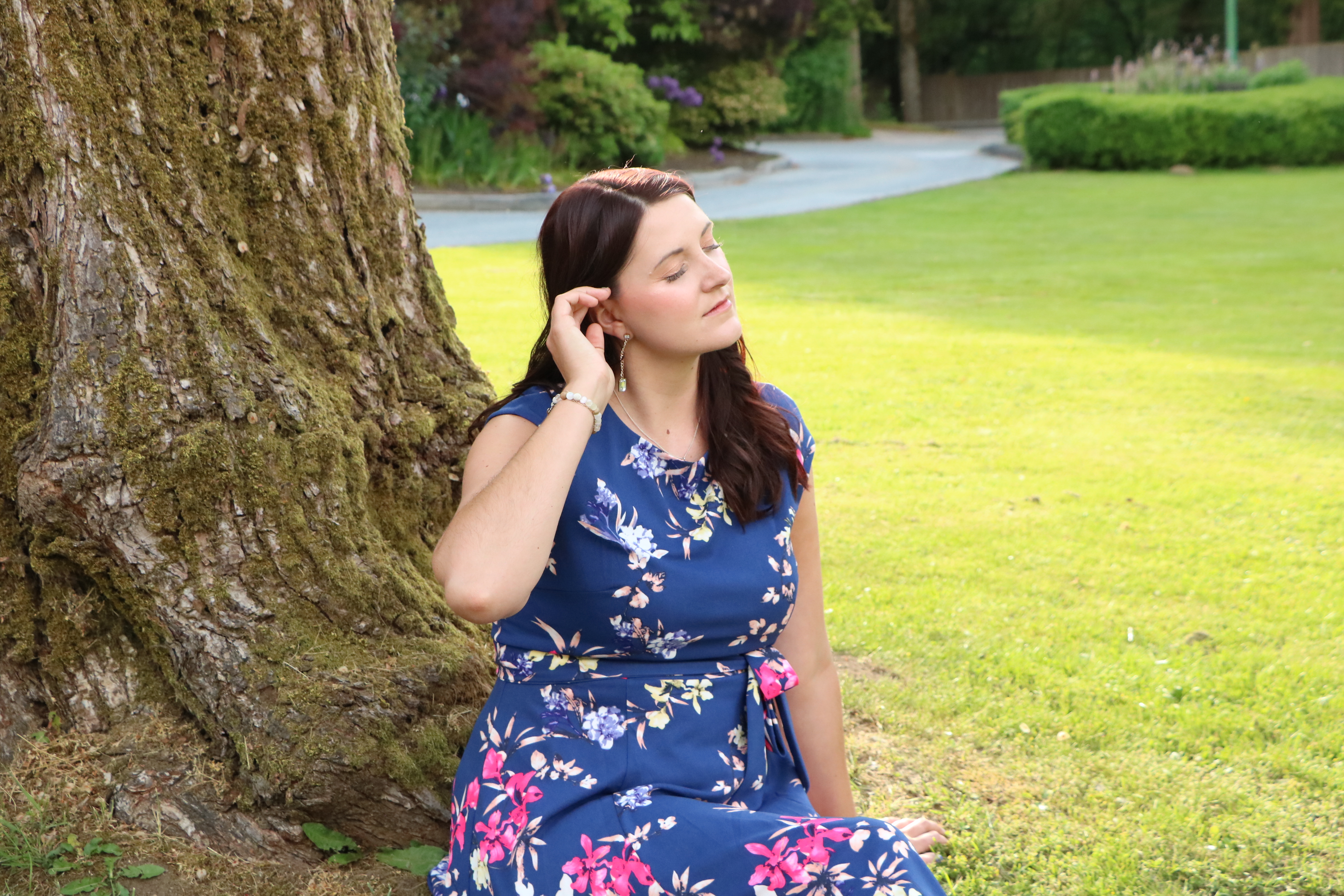
I know what it feels like to have sudden extreme sensory changes. To lie in bed listening to a blaring, high-pitched sound. To desperately search the internet for something—anything—that might make it stop. To be terrified of never experiencing silence again.
Writing about these topics is vulnerable for me, because I have a personal stake. I desperately want a cure, too.
But I had to report what the evidence supported.
When it was published, I read some of the comments like a dagger to my aching heart:
“Thanks for nothing.”
“This article was a waste.”
“Great, so I should just ignore it?”
I understand the frustration.
I get it.
People with severe tinnitus aren’t looking for a coping strategy. They want silence. So do I.
If I discovered a treatment that reliably eliminated tinnitus, I would have been thrilled to write about it. I would also be crying with relief and rushing to get it.
But journalism, written with integrity and responsibility, can only cover the evidence we have, not the answers we wish for.
I railed against the idea of therapy to cope with my tinnitus, rather than trying to silence the noise, at first. I was severely depressed and didn’t begin to accept it until recently, as I admitted when I was interviewed on BBC World Service about hearing loss last week (I told you, don’t pinch me).
While working on this article, I began to understand the logic of acceptance. Treatments such as CBT and ACT offer more than being told to “just ignore it.” They are evidence-based ways of helping people reduce the very real fear, attention and distress. It’s not the final treatment I want, but if it can help reduce my distress for now, then I’m grateful to try it.
I hoped readers would feel seen by me sharing my open, raw, vulnerable experience. I wanted to help people; to provide a fact-checked, trustworthy source amongst the unreliable chatter of the internet. I hoped quoting researchers who also live with tinnitus might help readers feel less alone.
To everyone who left a kind or compassionate comment, even if you disagreed with me or felt disappointed: thank you.
I don’t think humans are meant to consume hundreds of anonymous strangers’ opinions about something they created, so I’ve stopped reading the comments. (The last time I checked, there were over 600.) Instead, I’ve asked my partner to look every once in awhile, and read me the most supportive ones.
I also believe that the most upset people probably don’t think about the fact that I’m suffering with this, too.
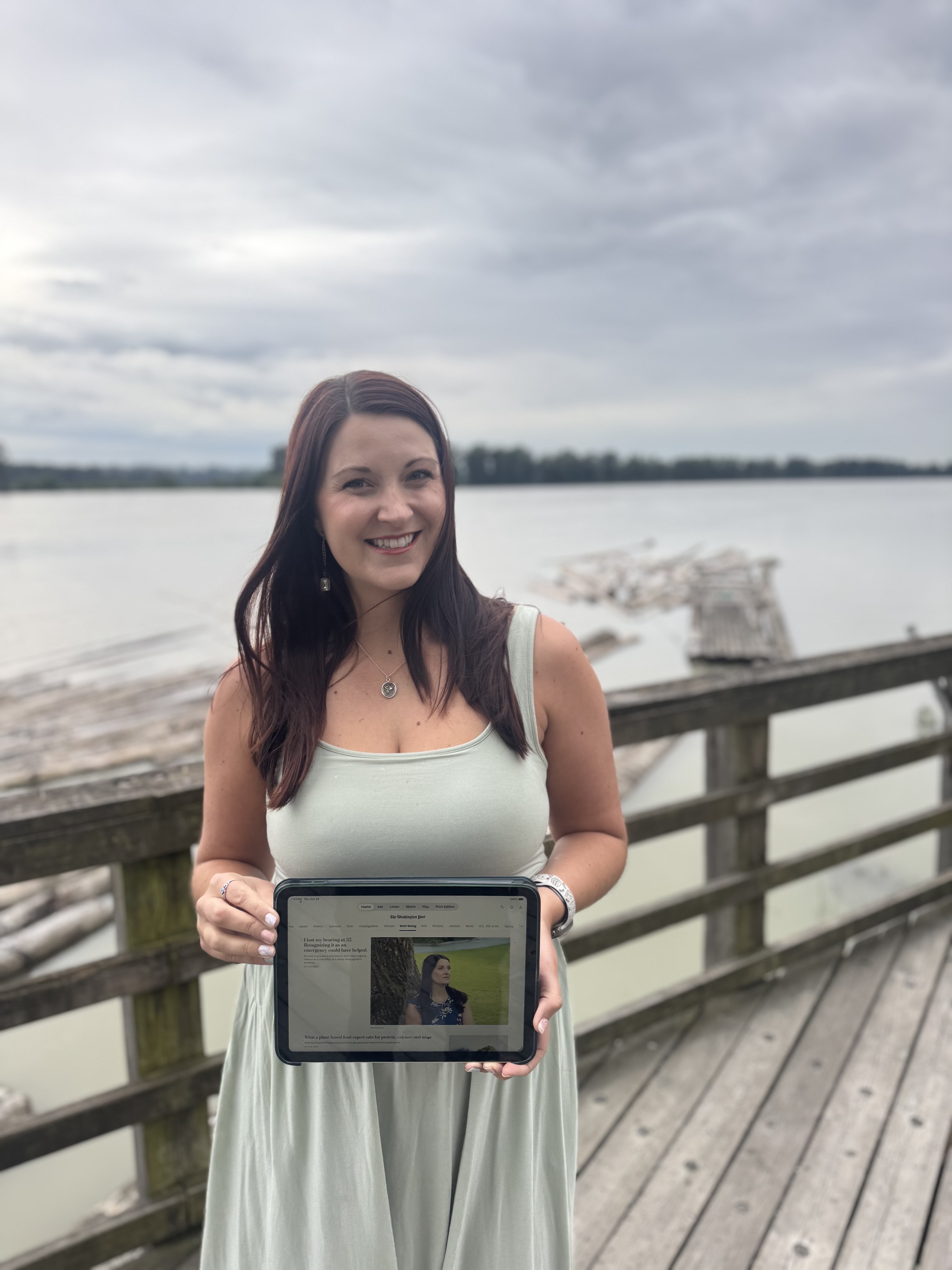
Seeing my name in The Washington Post still feels a little surreal. I am so grateful for the opportunity to write for such a prestigious publication. It’s my goal to write more. I hope these articles spark more conversations and lead to research that might even result in a cure.
I am proud that I wrote a difficult, honest article, even if it isn’t what everyone wanted to read.
I would do it again.

